



There are many variations of passages of Lorem Ipsum available, but the majority have suffered alteration in some form, by injected humour or randomised words which don’t look even slightly believable.
Table Of Content
Introduction
When most people think about meditation, they imagine a perfectly quiet room, a completely calm mind, and an hour of uninterrupted silence.
That image keeps many people from ever starting.
The truth is much simpler.
Mindfulness is not about emptying your mind.
It is not about becoming perfectly calm.
It is not about escaping your thoughts.
Mindfulness is the practice of paying attention to the present moment with curiosity instead of judgment.
And like most worthwhile practices, it begins with small moments.
What Mindfulness Actually Is
At its core, mindfulness is awareness.
It is noticing:
- Your breath
- Your thoughts
- Your emotions
- Your surroundings
- Your body
without immediately trying to change them.
Mindfulness invites us to experience the moment we are in rather than constantly rushing toward the next one.

What Mindfulness Is Not
There are many misconceptions about meditation.
Mindfulness is not:
- Having no thoughts
- Being positive all the time
- Eliminating stress
- Reaching enlightenment
- Performing wellness
Your mind will wander.
That is normal.
The practice is simply noticing when it wanders and gently returning your attention.
Again and again.
Why Meditation Feels Difficult at First
Many people assume they are bad at meditation.
Usually, they are simply experiencing what every beginner experiences.
When we become still, we notice how busy our minds really are.
The constant planning.
The remembering.
The worrying.
The internal conversations.
Meditation doesn’t create those thoughts.
It reveals them.
And awareness is the first step toward greater peace.
“Mindfulness is not about controlling your thoughts. It is about changing your relationship with them.”
19sixtiesgirl
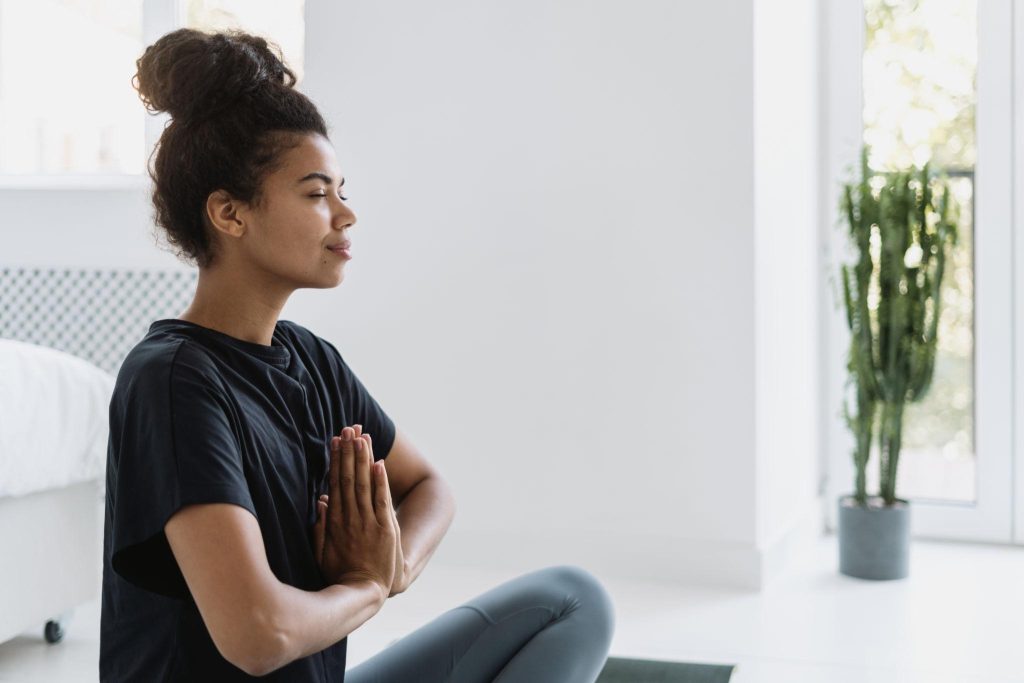
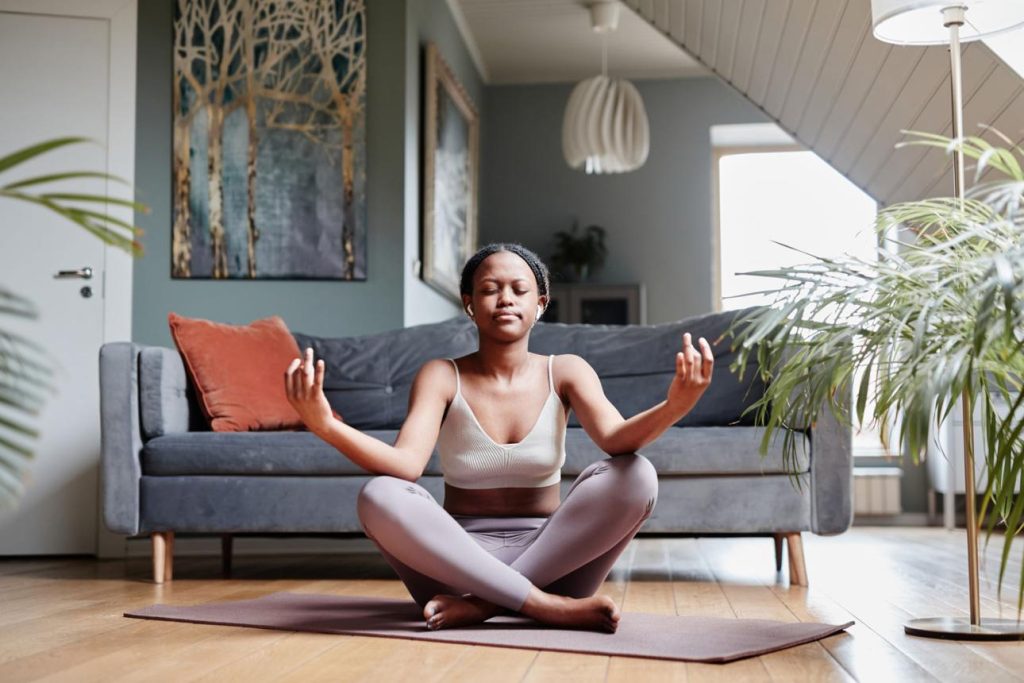
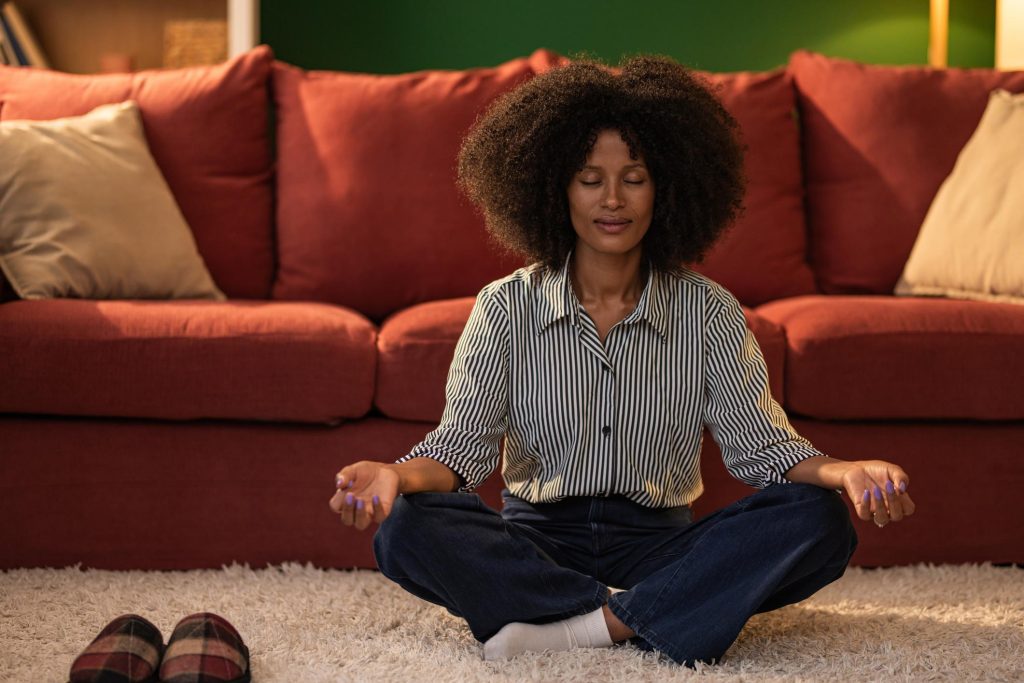
A Simple Five-Minute Practice
If you’re new to meditation, start here.
Step 1
Find a comfortable seat.
No special cushion required.
A chair works perfectly.
Step 2
Set a timer for five minutes.
Step 3
Close your eyes or soften your gaze.
Step 4
Notice your breath.
Not changing it.
Just observing it.
Step 5
When your mind wanders—and it will—gently return your attention to your breath.
That’s the practice.
Not perfection.
Returning.
Bringing Mindfulness Into Everyday Life
Meditation doesn’t only happen on a cushion.
You can practice mindfulness while:
- Drinking your morning coffee
- Walking outside
- Washing dishes
- Waiting in line
- Listening to a friend
The goal isn’t to create a separate life.
The goal is to become more present within the life you already have.
Common Challenges and Misconceptions
“I can’t stop thinking.”
You don’t need to.
“I don’t have enough time.”
Start with two minutes.
“I’m not doing it right.”
If you’re paying attention and returning when you get distracted, you’re practicing.
“I’m too stressed to meditate.”
Often, that’s when mindfulness is most helpful.


Building a Sustainable Practice
The best meditation practice is the one you can maintain.
Start small.
Five minutes.
Three times a week.
A quiet walk.
A few mindful breaths before a meeting.
Consistency matters more than duration.
The goal isn’t to become a person who meditates perfectly.
The goal is to become a person who notices.
Closing Reflection
In a world that constantly pulls our attention outward, mindfulness offers a gentle invitation to return inward.
Not to escape life.
But to experience it more fully.
You don’t need special equipment.
You don’t need perfect conditions.
You don’t need an empty mind.
You only need a willingness to pause and pay attention.
And sometimes, that small act can change everything.
“Peace is not something we find when life becomes quiet. It is something we practice within the noise.”
19sixtiesgirl